Trying to make sense of the Bloomingdale housing market? You are not alone. Between shifting mortgage rates and fast-moving listings, it can feel hard to tell what is normal and what signals a real change. In this guide, you will learn how to read the numbers like a pro and apply them to Bloomingdale, Valrico, and Brandon so you can make confident decisions. Let’s dive in.
Key metrics that matter
Inventory and months of supply
Inventory shows how many homes are for sale. Months of inventory (MOI) compares active listings to the pace of recent closings. Less than 3 months typically signals a strong seller’s market, 3 to 6 months is balanced, and more than 6 months favors buyers. In small neighborhoods, smooth MOI over 3 to 6 months to avoid one-off spikes.
Prices and price per square foot
Median sale price is your best headline number because it ignores outliers. Price per square foot helps compare similar homes but does not capture lot size, layout, outdoor space, or recent upgrades. Watch the sale-to-list price ratio to see negotiation power. If sale-to-list is slipping and MOI is rising, buyers may gain leverage.
Speed and market activity
Days on market (DOM) shows how quickly homes go under contract. Also track pending ratio (pending divided by active) and the count of new contracts and closed sales. The flow of new deals matters as much as the number of listings.
Composition of supply
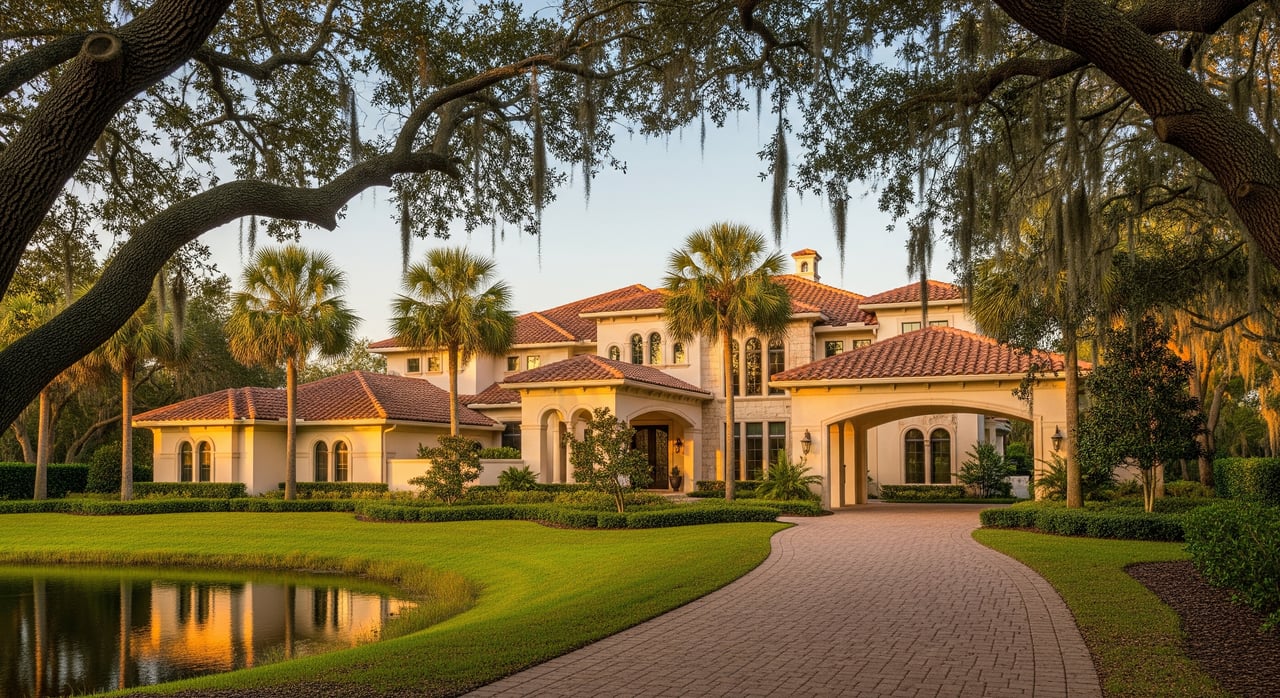
Product mix shapes pricing. East Hillsborough skews toward single-family homes, with a mix of 1970s–1990s resales and newer master-planned communities. The share of new construction, HOA requirements, and typical fees can shift value between neighborhoods.
What moves prices in Bloomingdale, Valrico, and Brandon
Supply-side realities
- New-home competition: Builder inventory and incentives can affect resale pricing nearby. More lots and spec homes can soften price pressure on resales in some corridors.
- Zoning and lot size: Larger lots and lower-density streets are common east of Tampa’s core. This creates distinct tiers by lot size and age of home.
- Age and condition: You often balance square footage against modern finishes. Older homes may trade at a lower price per square foot but offer renovation upside.
Demand drivers and location value
- Commute and access: Proximity to SR 60 and I-75 matters for buyers who work in Tampa job centers or at MacDill AFB. Perceived drive time weighs heavily in search decisions.
- Neighborhood amenities: Access to parks, retail, and recreation influences micro-prices, especially for family-focused buyers.
- Community information: Attendance zones are an important planning factor for many households. Verify zones and program offerings on the Hillsborough County School District site.
Cost and risk considerations
How suburbs differ from Tampa’s core
- Product mix: East suburbs offer more single-family homes with larger yards, while the core has more condos and attached homes.
- Price dynamics: Price per square foot in the core is often higher, but many buyers will pay for space, yards, and neighborhood layout in Bloomingdale and Valrico.
- Turnover: Some suburban pockets see longer DOM due to buyer search patterns and larger-home price points.
Where to get reliable local data
Read the numbers like a pro
Compare apples to apples
Match homes by type, age band, lot size, and finished square footage before using price per square foot. Adjust for renovations such as kitchen and bath updates, roof and A/C age, and outdoor living space. Use 3 to 6 comparable sales from the past 6 months when possible, and note the sample size.
Make sense of MOI and DOM
- Rising MOI with a falling sale-to-list ratio can signal more room to negotiate.
- Falling DOM with a steady or rising sale-to-list ratio suggests stronger demand.
- Always look at a 3 to 6 month trend, not a single-month spike.
Seasonality and mortgage rates
Spring often brings more listings and buyers, while late fall and winter can slow. Builder releases and local job announcements can override seasonal patterns. Track rate shifts alongside MOI and DOM to understand whether changes are affordability-driven or inventory-driven.
A simple step-by-step workflow
- Pull 12 months of MLS data for Bloomingdale, Valrico, and Brandon: actives, new listings, pendings, closed sales, DOM, price per square foot.
- Calculate months of inventory as active listings divided by average monthly closings, using a 3 month rolling average.
- Compute median sale price and median price per square foot, and list the transaction count so readers understand sample size.
- Identify 3 to 6 closed comps that match your property type and age band; note renovations and lot features.
- Check nearby new-home communities for inventory and incentives; compare lot size and HOA structures to resales.
- Verify flood zone for the subject property via the FEMA map and review insurance considerations with guidance from the Florida OIR.
- Confirm property details and tax history on the Hillsborough County Property Appraiser.
- Review attendance zones and program options via the Hillsborough County School District.
Buyer tips for Bloomingdale and nearby
- Use price per square foot only after filtering for similar age, size, and lot type. Treat it as a guide, not a rule.
- Budget for roof, HVAC, and wind mitigation updates if the home is older; these can affect insurance and inspection outcomes.
- Get quotes for home, windstorm, and, if applicable, flood insurance early. Premiums vary by property condition and elevation.
- Confirm HOA coverage, fees, and rules before you fall in love with a home.
- Drive your commute at peak times to test your route to SR 60, I-75, and key employment centers.
Seller tips for Bloomingdale homeowners
- Price to the market you have, not the one you remember. Use a 3 to 6 month comp set and watch DOM and sale-to-list ratio.
- Maximize your first 2 weeks on market with clean presentation, strong photos, and clear showing instructions.
- Pre-list: handle minor repairs, service the HVAC, refresh landscaping, and collect permits and warranty documents.
- Consider timing around seasonality and competing new-home releases nearby. Track local inventory and builder activity.
- Stay flexible on terms that matter to buyers, like closing timeline or minor repairs, based on current MOI and DOM.
What this means for you
If you focus on a few core numbers and keep the comparisons clean, the Bloomingdale market becomes far easier to read. You will see how inventory, pricing, and speed interact so you can plan your next move with clarity. When you want neighborhood-specific comps or a pricing strategy for your home, our team is ready to help.
Ready to see how your property stacks up? Get your pricing roadmap and a data-backed plan with Carter Company Realtors, Inc.. Get Your Free Home Valuation.
FAQs
Is Bloomingdale a buyer’s or seller’s market right now?
- Check months of inventory using a 3 month average; under 3 months favors sellers, 3 to 6 months is balanced, and over 6 months favors buyers, then confirm DOM and sale-to-list trends using MLS and Florida Realtors.
How long will my Bloomingdale home take to sell?
- Use recent DOM for similar homes in your micro-area and price band, then build a plan for strong launch weeks; faster DOM plus firm sale-to-list ratios typically means quicker sales at market price.
How should I compare Bloomingdale vs Brandon prices?
- Compare median price per square foot only for similar home types and age bands, and note sample size; validate closed sales and property attributes on the Hillsborough County Property Appraiser.
Do school zones impact home searches in East Hillsborough?
How do flood zones and insurance affect affordability near Valrico?
Where can I see planned growth or road projects that might affect value?